Engagement in education often feels elusive, like trying to solve a complex riddle. Identifying what drives a student’s motivation is comparable to embarking on a treasure hunt, where the reward is immensely valuable. However, the journey to discovery can be difficult. It’s crucial to invest time and effort into uncovering these motivational secrets, as when students are truly engaged, their behavior, attitude, and motivation improve considerably. This positive shift enhances the classroom experience for both the students and the educator.
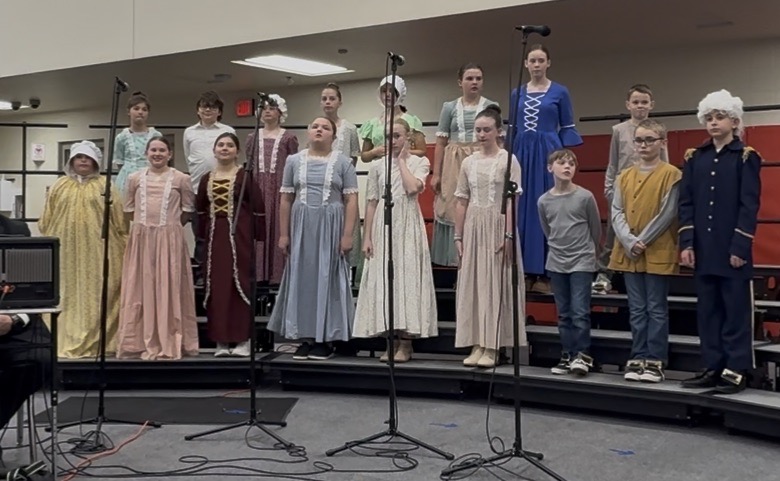
Each student and class group possesses unique dynamics and internal motivators. I began a journey to explore what inspired my students and what they perceived as the characteristics of a successful choir. Understanding their values and what they deemed essential for a strong choir was key. It was clear that my values as an adult might not align with those of my students, making their input invaluable.
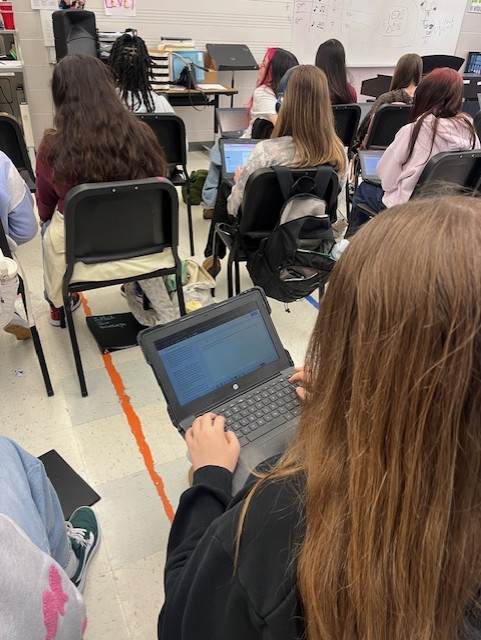
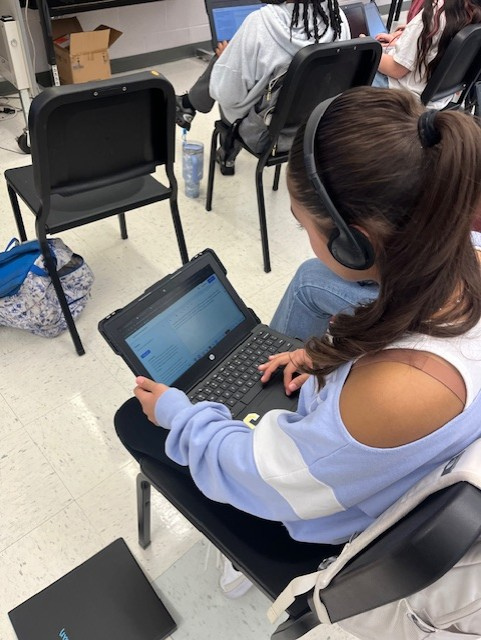
I was committed to ensuring that each student had a voice in this process, rather than assuming I understood their values. By giving students a platform to express themselves, I fostered a sense of ownership and belonging within the classroom. This initiative began with an assignment on the Snorkl AI platform, integrated within Canvas, where I encouraged students to visualize their ideal choir class. The prompt asked them to imagine what the perfect choir would look and sound like, drawing from their experiences and a provided reading passage, and to express these using the Snorkl AI platform.
Following the collection of student insights, I utilized Magic School AI to conduct a survey. This survey, informed by data from the Snorkl assignment, focused on identifying the characteristics of a successful choir classroom and what motivated the students. Participants rated various motivational factors on a scale from 1 to 5 using the Magic School survey tool, hosted again on the Snorkl platform. This setup allowed for real-time feedback, enabling me to observe immediate results and implement necessary changes and enhancements swiftly.
I firmly believe that leveraging student feedback to guide engagement strategies will result in more meaningful and enduring improvements. By incorporating their voices into the process, the changes reflect their needs and preferences, fostering a community and providing a supportive learning environment.
Emily Levey
Edythe J. Hayes Middle School
Fayette County Schools
6th-8th Music