Submitted by MaryBeth Vance, Cannonsburg Elementary School
Boyd County School District
Grades K-5
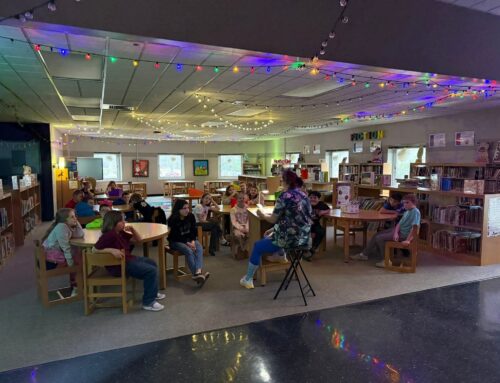
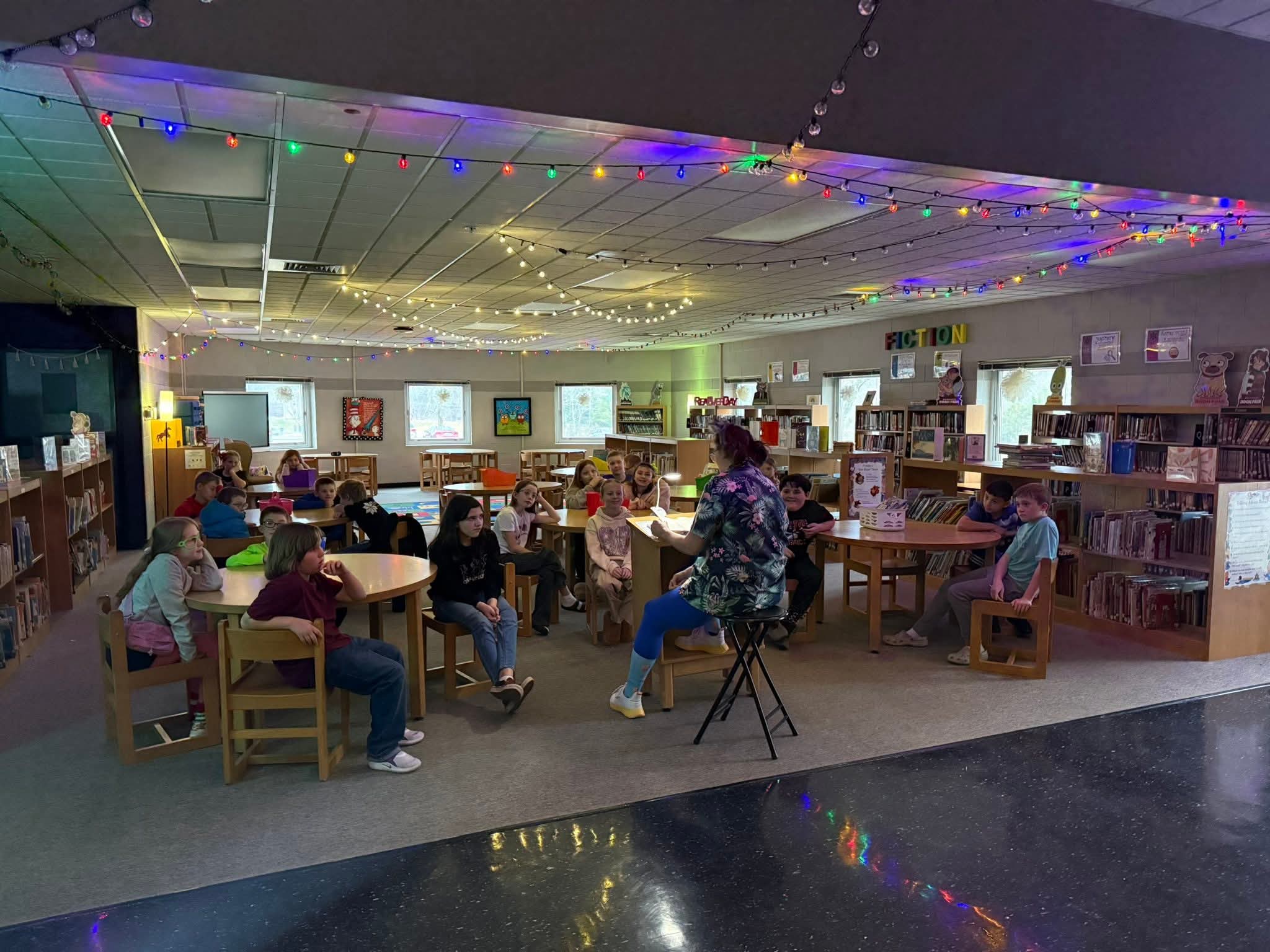
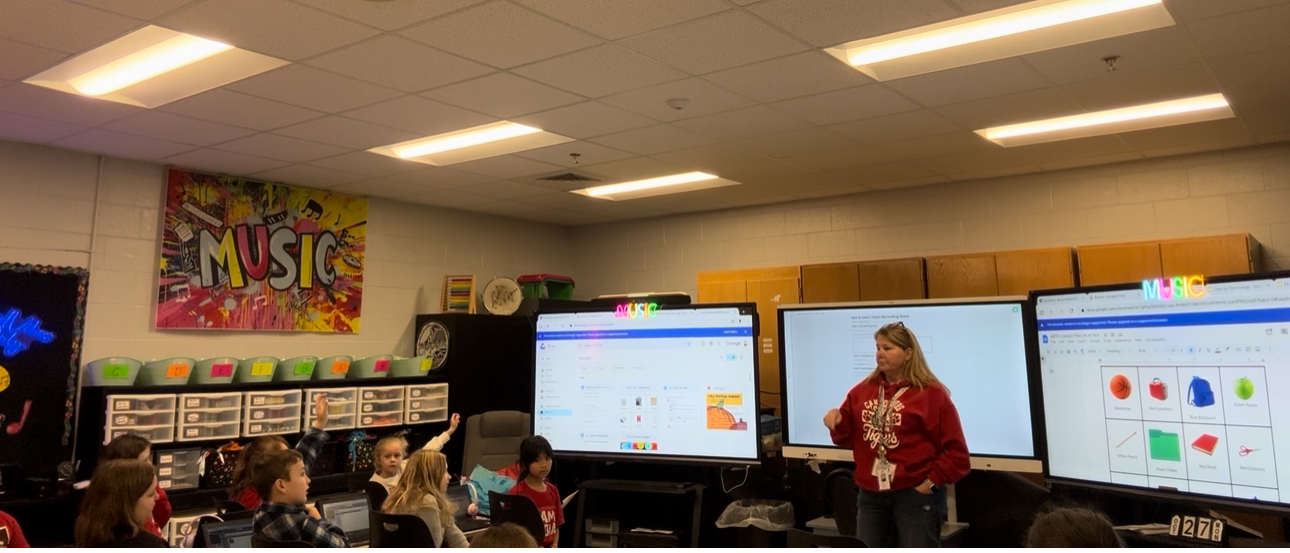
One of the highlights of my KEDC year was an assignment from the Trailblazer Grant. My assignment work this year was to teach one of their lessons. I intentionally tweaked the lesson to make student thinking visible, interactive, and confidence-building.
For this lesson, AI or Not?, students explored a big question: What actually makes something Artificial Intelligence—and what doesn’t?
Instead of passively answering, students became decision-makers.
What made this lesson special
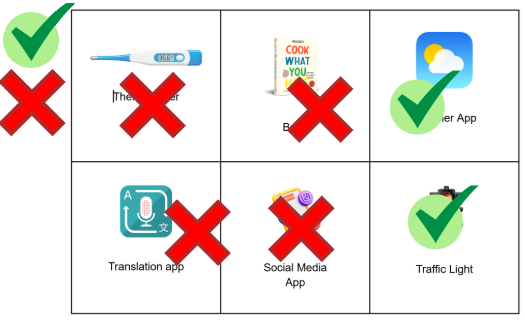
I created digital slides where students used ✔️ check marks and ❌ red Xs to show their choices as they sorted examples of technology. This simple tweak turned the lesson into an active thinking experience, students weren’t just guessing, they were committing to an idea, discussing it with partners, and revising their thinking as they learned more.
As they worked, students debated examples like smart speakers, calculators, recommendation apps, and everyday tools. They quickly discovered a powerful misconception: not all technology is AI.
What students learned through sorting, discussion, and reflection, students were able to:
*Identify key characteristics of AI systems
*Explain how AI learns and adapts over time
*Compare AI tools to non-AI technologies that follow fixed rules
*Use real-world examples they encounter daily
Working collaboratively, students even helped build a class definition of AI, refining it as new examples were introduced. Watching their confidence grow as their thinking sharpened was one of the most rewarding parts of the lesson.
Why this matters
Understanding “what AI is—and what it is not” empowers students to be thoughtful, informed users of technology. This lesson blended critical thinking, collaboration, digital interaction, and the creative process, all while supporting technology and communication standards.